
Ona’s Stigmatized Identity
Women TalkingOna Friesen’s Narfa and social stigma are used to dismiss her, even as her ideas help redirect the women’s future.
increasing Bearing strength in each event
 decreasing
Bearing strength in each eventdecreasingThe Devil’s Daughter
Difference Made Suspicious
A Marginalized Woman
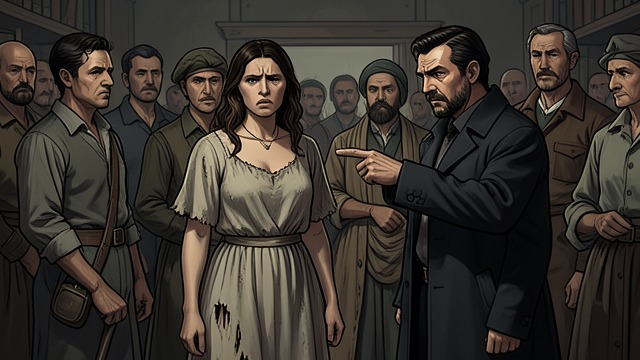
Ona Friesen is regarded as nervous, impractical, and unable to function in the world. Peters calls her the devil’s daughter, a label that turns independence into supposed moral failure.
Permission by Dismissal
Because others consider her words meaningless, she can sometimes speak more freely. That narrow permission does not protect her from repeated assault.
A Pregnancy Condemned
Stigma Meets Violence
A Child Outside Marriage
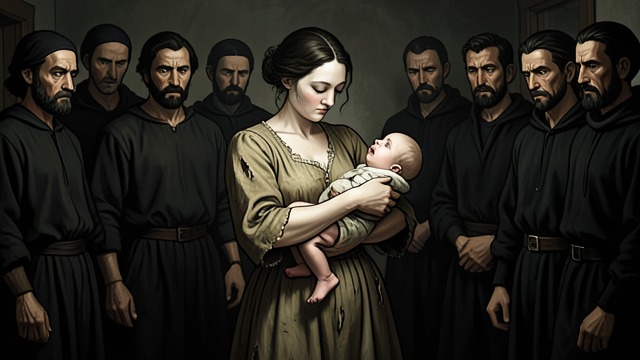
Ona’s pregnancy follows assault, but elders interpret it through the colony’s sexual rules. They plan to place the baby with another family.
Agency Misread
Ona refuses a proposed marriage, saying the man deserves better and would be tainted by marrying her. Others treat this refusal as proof of incapacity rather than choice.
A Voice in the Meeting
Ideas Others Need
Questions That Reframe
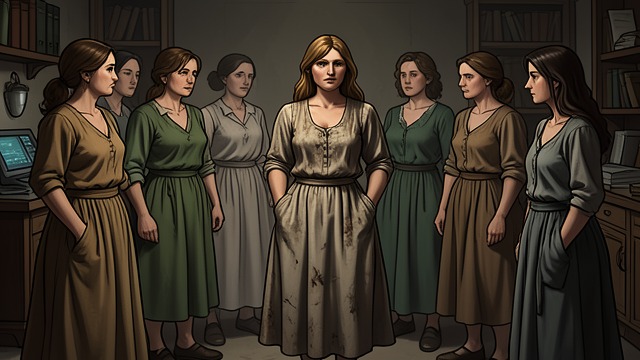
Ona asks whether coerced forgiveness is real, and whether the women can protect children while preserving faith. Her questions repeatedly shift the terms of discussion.
Misread as Eccentricity
Some women dismiss her as a dreamer, yet her questions help shape the manifesto. The same community that discounts her also depends on her insight.
Dreams and Possibility
Imagination as Method
Dreams Become Proposals
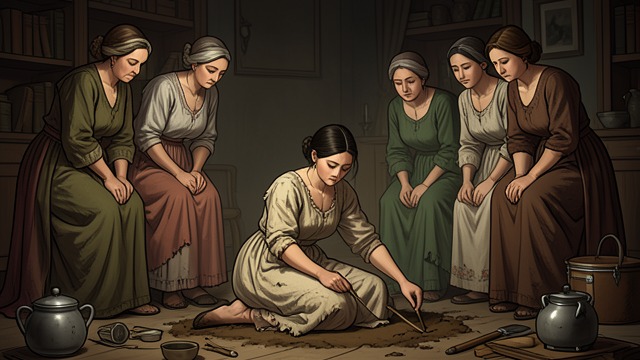
Ona connects dreams, maps, animals, and futures the women cannot yet see. She argues that uncertainty is not a reason to stop thinking.
The Women as Artists
She describes their plan as a work whose final form cannot be known in advance. Her imaginative language helps the group accept an unfinished path.
A Future Beyond the Label
Leaving as Self-Definition
Her Own Home
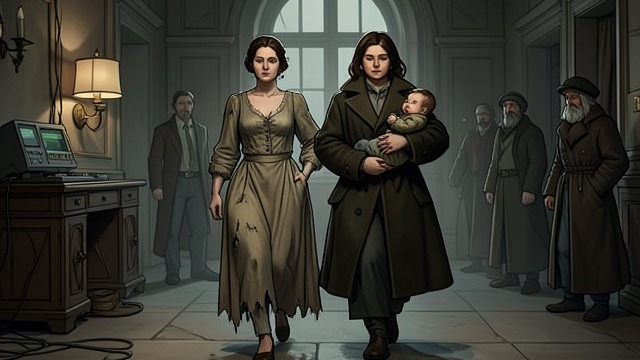
Ona leaves with her mother, sister, and unborn child. The people who once defined her as irredeemable no longer determine where her family belongs.
A Continuing Story
August Epp imagines Ona becoming a story that will travel through future schoolhouses. Her identity shifts from stigmatized outsider to a source of direction.
Before the June 2009 meetings
Spring 2009, before the assembly
June 6, 2009, during the first meeting
June 6–7, 2009, as the women imagine departure
June 7, 2009, during the convoy’s departure
